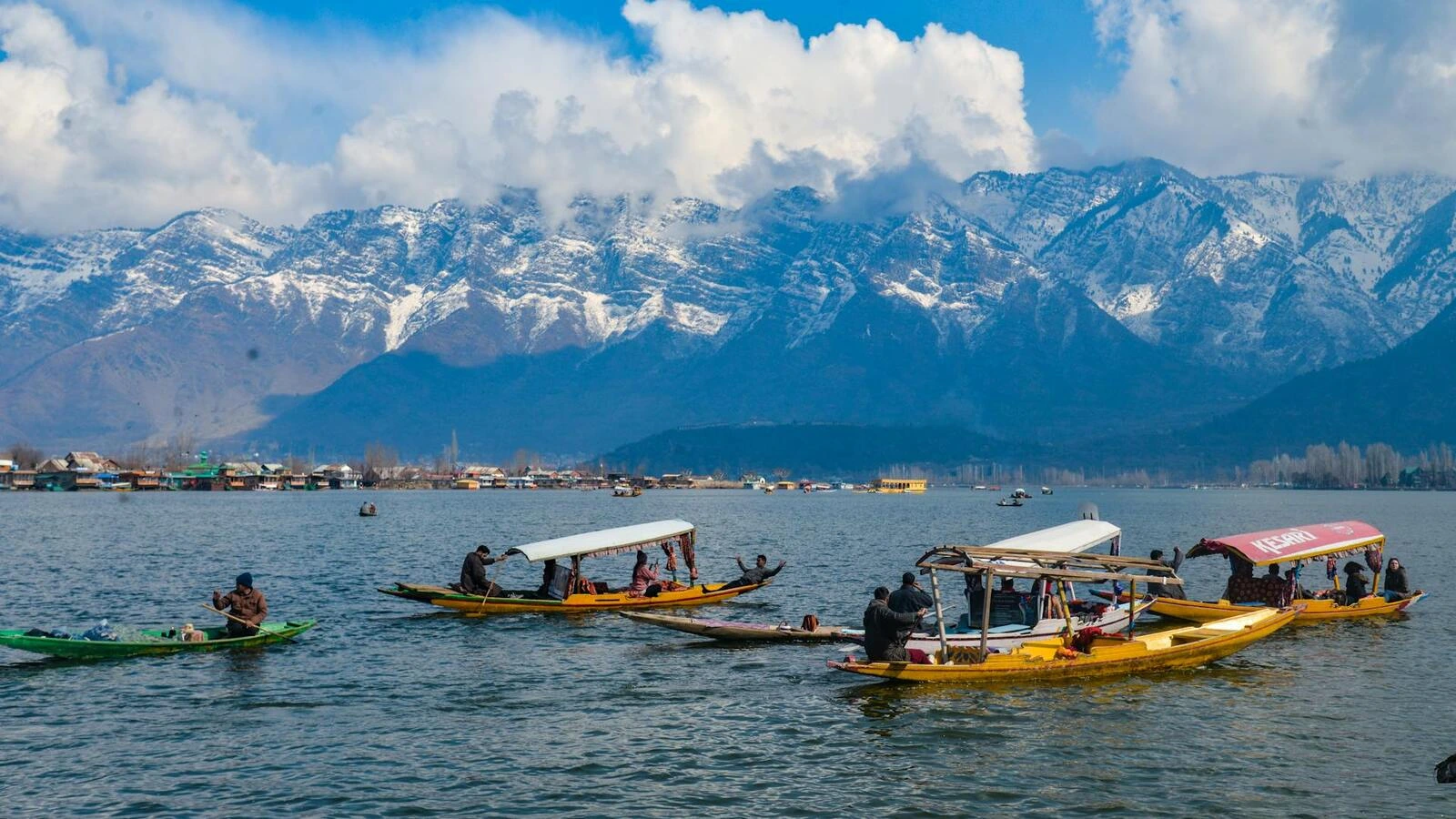
There is a reason Kashmir has been called Paradise on Earth for centuries. Dal Lake at dawn with mist rising off the water, snow-capped peaks framing every valley, meadows so green they look unreal, and a culture of warmth and hospitality that stays with you long after you leave. Kashmir is not just a destination — it is an experience unlike anywhere else in India.
2026 is one of the best years to visit. Infrastructure has improved significantly, new flight connections have opened from more cities, and the valley is welcoming record numbers of tourists. Whether you have 5 days or 10, this guide covers everything you need for a well-planned Kashmir trip.
Why Visit Kashmir in 2026?
- Improved connectivity — direct flights now connect Srinagar to Delhi, Mumbai, Bangalore, Kolkata, and Hyderabad
- Record tourism — over 21 million tourists visited Jammu & Kashmir in recent years, numbers tracking higher in 2026
- All major destinations accessible — Srinagar, Gulmarg, Pahalgam, and Sonamarg are fully operational
- Infrastructure upgrades — Gulmarg ski resort received a major upgrade; road safety and hotel standards have improved across the valley
Best Time to Visit Kashmir
| Season | Months | Conditions | Best For |
|---|---|---|---|
| Spring | March–May | Blooming gardens, tulip season, mild weather | Flowers, photography, fewer crowds |
| Summer | June–August | Pleasant days, lush green valleys, all roads open | Sightseeing, houseboat stays, Sonamarg |
| Autumn | September–November | Golden chinar trees, clear skies, fewer tourists | Best overall experience, photography |
| Winter | December–February | Heavy snowfall, skiing at Gulmarg | Snow lovers, Chadar Trek in Zanskar |
Best months overall: April–June for lush landscapes and perfect weather. September–October for golden autumn colours and fewer crowds — widely considered the best time by experienced travelers.
How to Reach Kashmir from Delhi
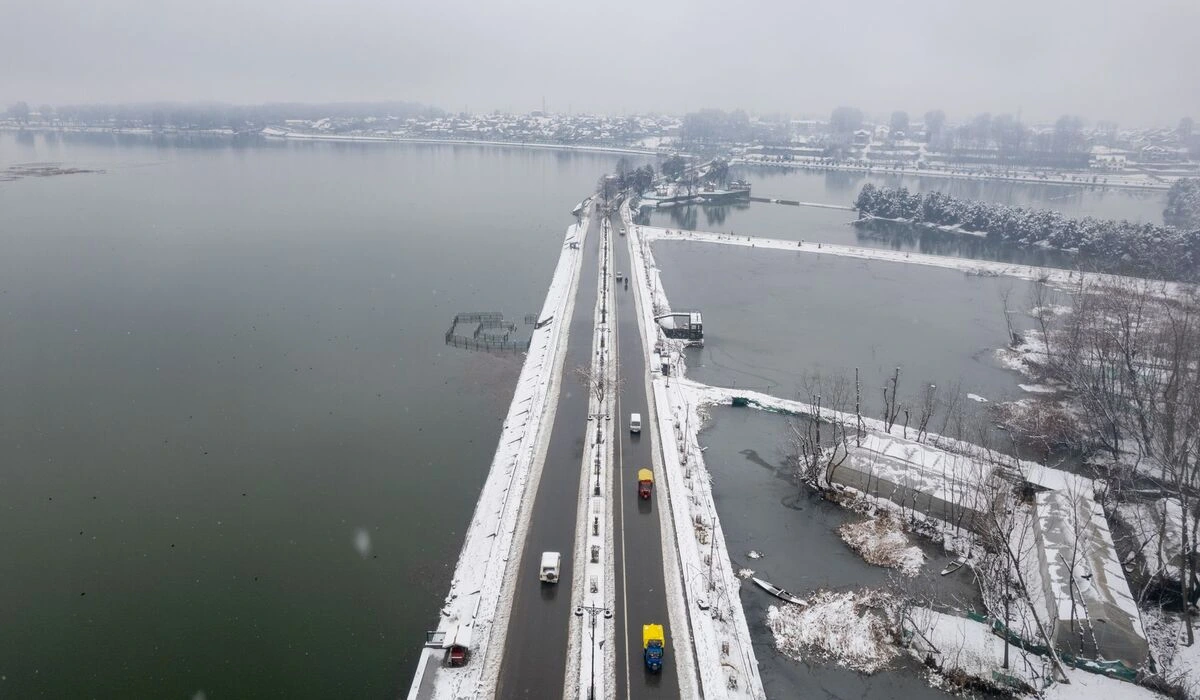
By Flight (Recommended)
The fastest and most convenient option. Direct flights from Delhi to Srinagar run multiple times daily.
- Duration: ~1.5 hours
- Cost: ₹3,000–₹8,000 one way (book 4–6 weeks in advance for best prices)
- Airlines: IndiGo, Air India, SpiceJet, Vistara
- Tip: Book early — prices jump significantly during May–August peak season
By Road (Scenic but Long)
Two road routes connect to Kashmir:
Via Jammu–Srinagar National Highway (NH44):
- Delhi → Jammu by bus or train overnight, then Jammu → Srinagar by road (~270km, 8–9 hours)
- Total: 2 days
- Bus Delhi → Jammu: ₹600–₹1,200
Via Manali–Leh–Srinagar Highway:
- For those combining Ladakh and Kashmir in one trip
- Manali → Leh → Srinagar — a spectacular but long road journey
- Only possible June–October when passes are open
Best option for most travelers: Fly Delhi → Srinagar. Save time, energy, and arrive fresh for the trip.
Is Kashmir Safe to Travel in 2026?
Yes. Tourist zones including Srinagar, Gulmarg, Pahalgam, and Sonamarg are fully operational with enhanced security and infrastructure. The tourist experience in Kashmir’s established circuits is overwhelmingly peaceful and hospitable.
Key points:
- Dedicated Tourist Police units operate across all major destinations
- 24/7 tourist helplines available
- Tourist Help Centres clearly signed at every key location
- No permits required for Indian tourists to visit Kashmir
- Travel during daylight hours on mountain roads to Sonamarg and Pahalgam
Check the J&K Police travel advisory for current updates before traveling.
Where to Stay in Kashmir
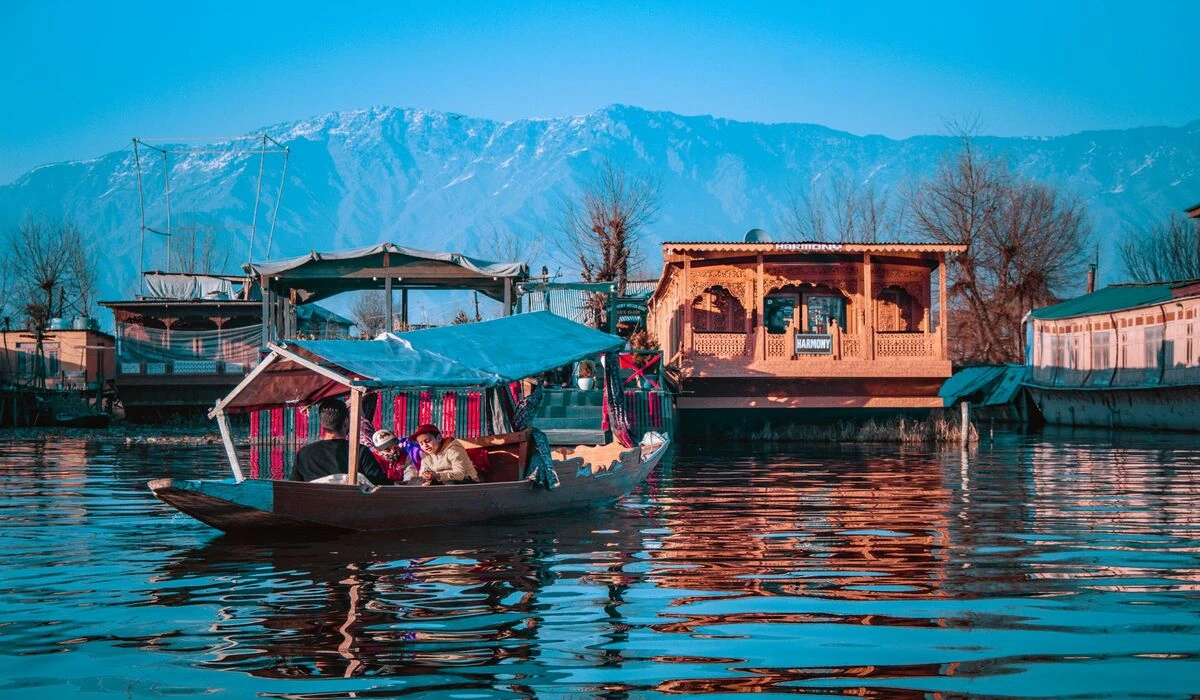
Houseboat on Dal Lake — The Kashmir Experience
Staying in a traditional houseboat on Dal Lake is one of the most iconic travel experiences in India. Hand-carved cedar interiors, private decks, shikara rides at dawn — it’s unlike any other accommodation in the country.
- Budget houseboats: ₹1,500–₹2,500/night
- Standard houseboats: ₹2,500–₹4,500/night (often includes meals)
- Deluxe/luxury houseboats: ₹4,500–₹9,000+/night
Tip: Book one night on a houseboat for the iconic experience, then switch to a hotel for the rest of your stay. Houseboats often include all meals which offsets the higher nightly rate. Nigeen Lake houseboats are quieter and often cheaper than Dal Lake.
Hotels in Srinagar
- Budget: ₹1,200–₹2,500/night — clean guesthouses, often includes breakfast
- Mid-range: ₹3,500–₹7,000/night — 3-4 star hotels, good amenities
- Luxury: ₹8,000–₹15,000+/night — properties like The Lalit or Vivanta
Gulmarg
- Hotels with mountain views: ₹2,500–₹8,000/night
- Verify hotels have functioning heating — essential even in summer at this altitude
Pahalgam
- River-view guesthouses: ₹1,500–₹4,000/night
- River-view properties offer the best experience in Pahalgam
👉 Check current hotel availability in Srinagar on Booking.com
Best Places to Visit in Kashmir
1. Srinagar & Dal Lake
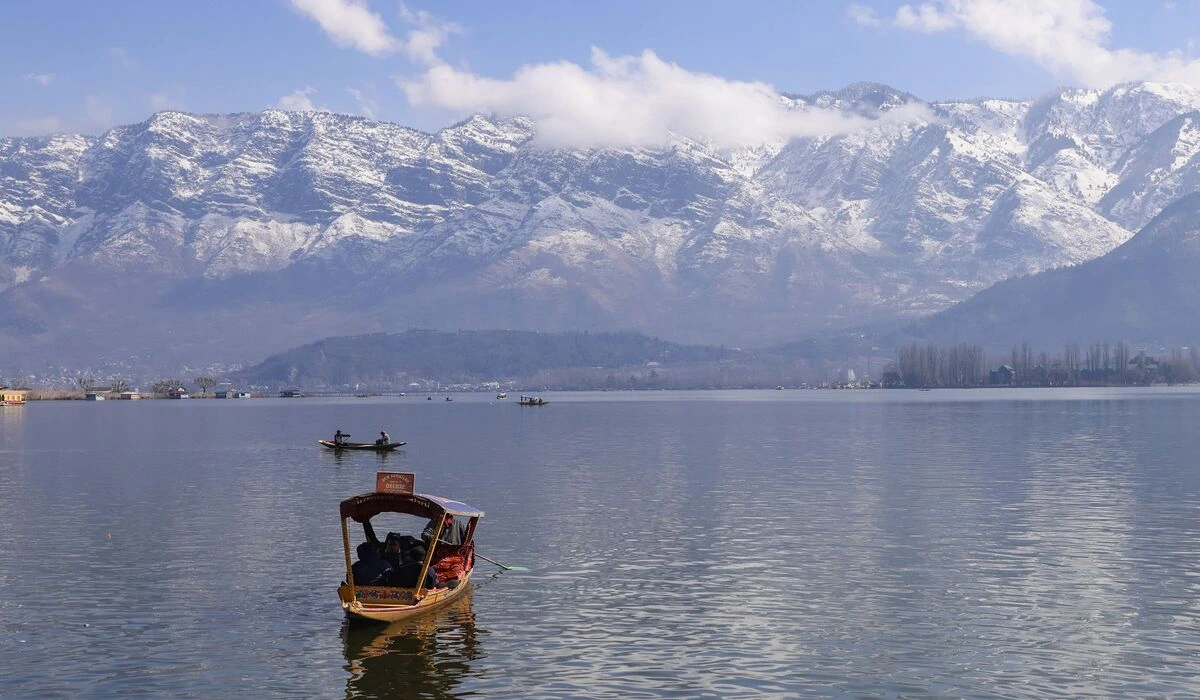
Srinagar is the heart of Kashmir — the summer capital of Jammu & Kashmir and the base for any Kashmir trip. Dal Lake, the Mughal Gardens, the old city bazaars, and the iconic shikaras define the Srinagar experience.
Dal Lake: A shikara ride on Dal Lake is non-negotiable. The lake is dotted with floating gardens, vegetable markets, and houseboats — and at sunrise or sunset, it’s one of the most beautiful scenes in India.
- Shikara ride: ₹500–₹1,000 per hour
- Best time: Early morning before the tourists arrive
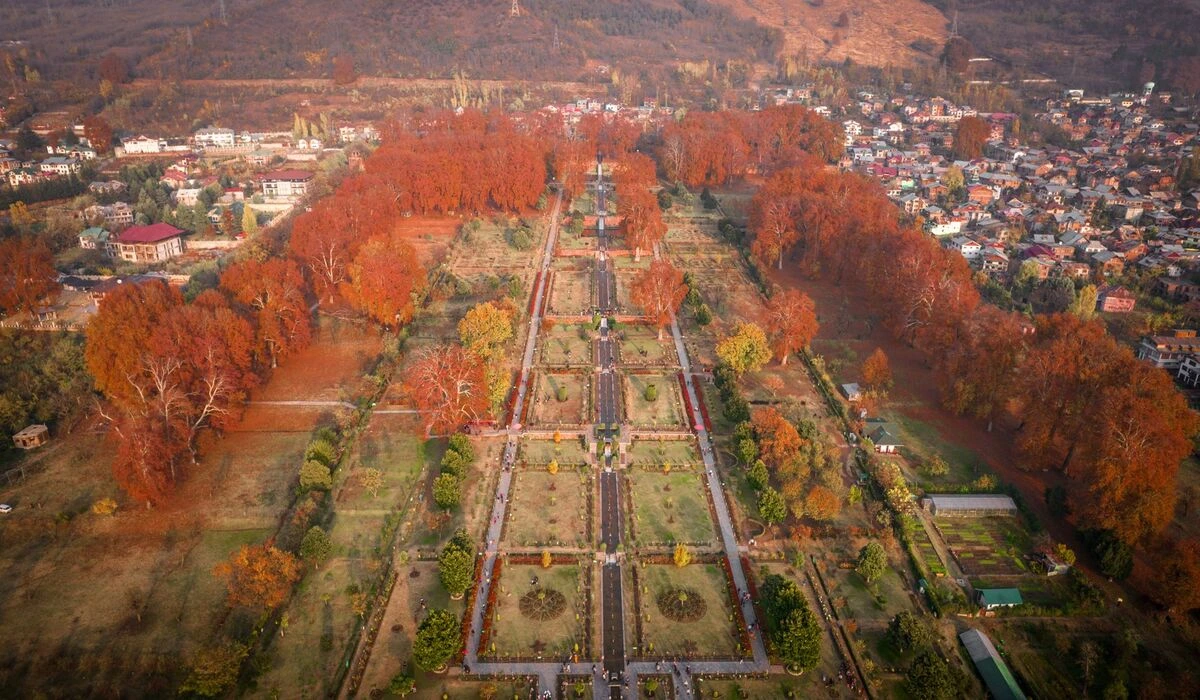
Mughal Gardens: Three spectacular Mughal-era gardens line Dal Lake — Shalimar Bagh, Nishat Bagh, and Chashme Shahi. Built by Mughal emperors in the 17th century, they feature terraced lawns, fountains, and Himalayan backdrops.
- Entry: ₹10–₹50 per garden
- Best visited in spring (April–May) when flowers are in bloom
Shankaracharya Temple: Perched on a hill 300m above the city, this ancient Hindu temple offers the best panoramic view of Srinagar, Dal Lake, and the surrounding mountains.
- Entry: Free
- 243 steps to the top — worth every one
Hazratbal Shrine: A sacred mosque on the northern shore of Dal Lake, housing a relic of the Prophet Mohammed. Beautiful white marble architecture reflected in the lake — one of Kashmir’s most peaceful spots.
Old City & Lal Chowk: Srinagar’s old city is a maze of wooden mosques, traditional craftsmen, and bazaars selling Kashmiri shawls, carpets, and papier-mâché. Lal Chowk, the commercial heart of Srinagar, is a good starting point.
2. Gulmarg
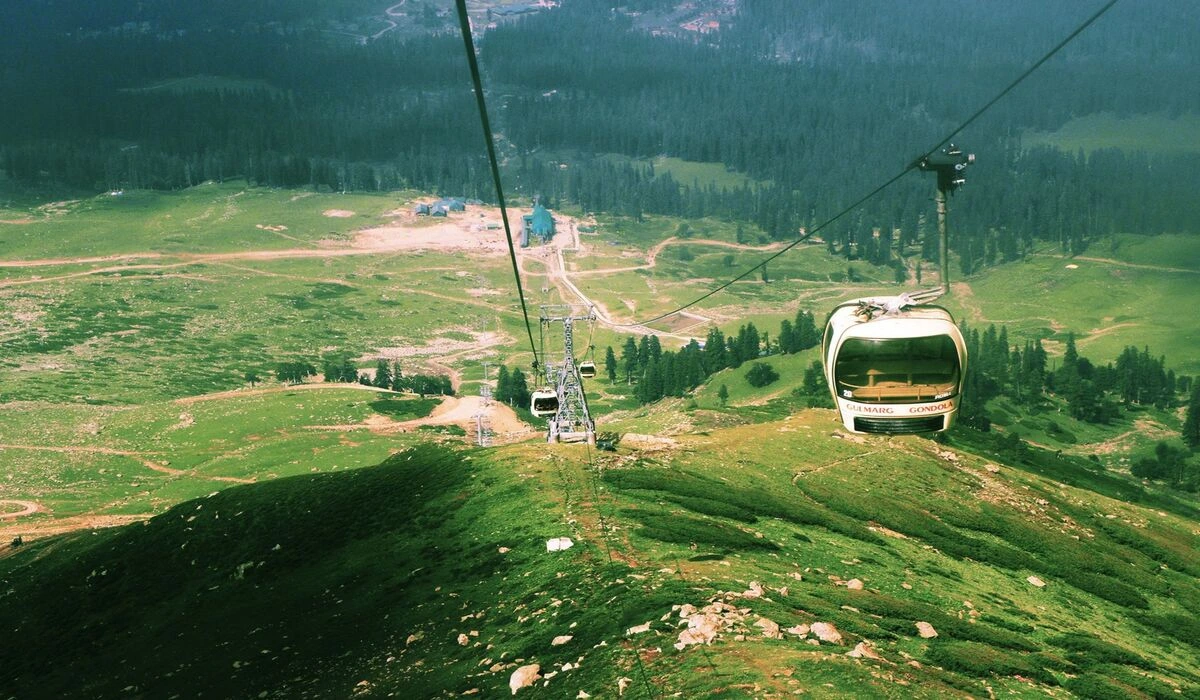
Gulmarg — “Meadow of Flowers” — sits at 2,650m, 56km from Srinagar. In winter it’s India’s premier ski resort; in summer it transforms into lush green meadows with Himalayan views that are genuinely jaw-dropping.
Gulmarg Gondola: The world’s highest cable car runs in two phases — Phase 1 to Kongdori (3,747m) and Phase 2 to Apharwat Peak (4,200m). The views from the top, especially in June when snow still covers the peaks, are extraordinary.
- Phase 1: ₹900–₹1,000 per person
- Phase 2: ₹1,100 per person (requires Phase 1 ticket)
- Pre-book online at the official JKCC website — queues can be very long in peak season
- Tip: Buy combined Phase 1 + Phase 2 ticket at the base counter — saves ₹200 per person
Khilanmarg: A 6km trek from Gulmarg through meadows leads to Khilanmarg — a high-altitude meadow with unobstructed Himalayan views. Summer only (June–September), no cable car required.
Activities: ATV rides, pony treks, zorbing, sledge rides (winter), skiing and snowboarding (December–March)
- Distance from Srinagar: 56km (~1.5 hours)
- Best time: June–September (summer), December–March (skiing)
3. Pahalgam
Pahalgam — “Valley of Shepherds” — sits on the banks of the Lidder River at 2,200m, 95km from Srinagar. Lush green valleys, crystal clear rivers, and some of Kashmir’s best trekking make it a must-visit.
Betaab Valley: Named after the 1983 Bollywood film “Betaab”, this valley 15km from Pahalgam is postcard-perfect — the crystal-clear Lidder River flowing through green meadows surrounded by snow-capped peaks.
- Entry: ₹50 per person
- Best for: Photography, walks, picnics
Aru Valley: 12km from Pahalgam, Aru is quieter than Betaab and feels more remote. A base for treks to Kolahoi Glacier and Tarsar Lake. Horse rides through the meadows are popular.
Chandanwari: The starting point for the annual Amarnath Yatra pilgrimage, Chandanwari sits at 2,895m and has snow throughout summer. A popular day trip from Pahalgam.
Baisaran: Called “Mini Switzerland” — a meadow accessible only by pony or on foot, with views of deodar forests and snow peaks. 5km from Pahalgam.
- Union cab charges for Pahalgam internal sightseeing (Aru, Betaab, Chandanwari): ₹2,000–₹4,500 per vehicle
- Distance from Srinagar: 95km (~3 hours)
4. Sonamarg
Sonamarg — “Meadow of Gold” — is the last major stop before Ladakh on the Srinagar–Leh highway, sitting at 2,740m. The drive from Srinagar through the Sindh Valley is one of the most scenic in Kashmir.
Thajiwas Glacier: A 3km walk or short pony ride from Sonamarg leads to the Thajiwas Glacier — accessible even in summer when other glaciers are melted. Snow, ice caves, and mountain views.
- Pony ride: ₹300–₹500 return
- Entry to glacier area: ₹50 per person
Sindh River: The turquoise Sindh River runs alongside the Sonamarg road — excellent for photography and riverside walks.
- Distance from Srinagar: 87km (~2.5 hours)
- Best time: May–October (road closes in winter)
7-Day Kashmir Itinerary
Day 1: Arrive Srinagar — Dal Lake & Houseboat
- Arrive Srinagar by flight (best) or road
- Check into houseboat on Dal Lake
- Evening shikara ride on Dal Lake — sunset is spectacular
- Dinner on the houseboat — traditional Kashmiri wazwan if available
- Rest early
Stay: Dal Lake houseboat
Day 2: Srinagar Sightseeing
- Morning: Shankaracharya Temple — best panoramic view of Srinagar
- Mid-morning: Nishat Bagh and Shalimar Bagh Mughal Gardens
- Afternoon: Hazratbal Shrine on Dal Lake
- Evening: Lal Chowk and Old City bazaars — shop for Kashmiri shawls, saffron, dry fruits
- Dinner at a local restaurant — try Rogan Josh and Kashmiri Kahwa
Stay: Srinagar hotel (switch from houseboat for Day 2 onward)
Day 3: Srinagar to Gulmarg
- Drive to Gulmarg (~1.5 hours)
- Gulmarg Gondola — Phase 1 and Phase 2 for the full experience
- Lunch in Gulmarg
- Afternoon: Walk through the meadows, ATV ride, pony trek
- Overnight in Gulmarg to catch the mountain views at sunrise
Stay: Gulmarg hotel
Day 4: Gulmarg to Pahalgam
- Morning: Sunrise views from Gulmarg meadow
- Drive to Pahalgam via Srinagar (~3.5 hours total)
- Check in, rest
- Evening walk along the Lidder River
Stay: Pahalgam guesthouse/hotel
Day 5: Pahalgam Sightseeing
- Morning: Betaab Valley — arrive early before day trippers
- Afternoon: Aru Valley — quieter, more scenic
- Optional: Baisaran meadow by pony
- Evening: Riverside walk in Pahalgam town
Stay: Pahalgam
Day 6: Pahalgam to Sonamarg (Day Trip) + Return Srinagar
- Early drive to Sonamarg (~3.5 hours from Pahalgam via Srinagar)
- Thajiwas Glacier — pony ride or short walk
- Sindh River photography
- Drive back to Srinagar by evening
Stay: Srinagar
Day 7: Departure
- Morning: Last shikara ride on Dal Lake at dawn if you haven’t yet
- Last minute shopping — Kashmiri pashmina, saffron, walnut wood crafts, carpets
- Departure from Srinagar airport
Complete Budget Breakdown
| Expense | Budget | Mid-Range |
|---|---|---|
| Delhi → Srinagar (flight return) | ₹6,000 | ₹12,000 |
| Accommodation (6 nights) | ₹7,200 | ₹21,000 |
| Food (7 days) | ₹3,000 | ₹6,000 |
| Local transport + cabs | ₹4,000 | ₹8,000 |
| Gulmarg Gondola (Phase 1+2) | ₹2,000 | ₹2,000 |
| Activities & entry fees | ₹1,500 | ₹3,000 |
| Shopping | ₹1,000 | ₹3,000 |
| Miscellaneous | ₹1,000 | ₹2,000 |
| Total | ₹25,700 | ₹57,000 |
A comfortable 6-day mid-range Kashmir trip costs ₹35,000–₹48,000 per person. Budget travelers can manage ₹22,000–₹32,000 with shared transport and guesthouses.
Cost-saving tips:
- Travel in a group of 3–4 to share private cab costs significantly
- Book houseboat for only 1 night — combine with hotel stays for the rest
- Book Gondola tickets online in advance — avoid on-the-spot price hikes
- Visit in shoulder season (late September–October or March–April) — hotel prices drop 20–30%
What to Buy in Kashmir
Kashmir produces some of India’s finest handicrafts — worth spending time and money on.
- Pashmina shawls — the real thing, hand-woven from Changthangi goat wool. ₹3,000–₹30,000+ depending on quality. Buy from government emporiums for authenticity.
- Kashmiri carpets — hand-knotted silk or wool carpets with intricate patterns. ₹5,000–₹1,00,000+
- Saffron (Kesar) — Kashmir produces some of the world’s finest saffron from Pampore. ₹300–₹500 per gram
- Dry fruits — walnuts, almonds, and apricots at excellent prices
- Papier-mâché — hand-painted boxes, bowls, and decoratives in traditional Kashmiri patterns
- Walnut wood crafts — carved furniture and decoratives
Where to shop: Lal Chowk and Residency Road in Srinagar have the highest concentration of craft shops. Government emporiums (J&K Handicrafts) offer fixed prices and guaranteed authenticity.
Practical Tips for Kashmir
Book Gondola in advance: Gulmarg Gondola queues can be extremely long in peak season (June–August). Book online at the official JKCC website.
Private cabs vs shared transport: Distances between Srinagar, Gulmarg, Pahalgam, and Sonamarg are long. Hiring a private cab for the full trip is the most practical option — expensive individually but manageable when split across 3–4 people. Underestimating transport costs is the most common budget mistake in Kashmir.
SIM cards: Carry a postpaid connection — prepaid SIMs from outside J&K sometimes face connectivity issues. BSNL has the widest coverage in remote areas.
Houseboat touts: At Srinagar airport and Dal Lake, expect shikara operators and houseboat owners to approach you aggressively. Book your houseboat in advance to avoid pressure tactics.
Cash: Carry sufficient cash — ATMs are reliable in Srinagar but limited in Gulmarg, Pahalgam, and Sonamarg.
Clothing: Even in summer, Gulmarg and higher areas are cold. Always carry a warm jacket. Pahalgam evenings are cool year-round.
Pahalgam union cabs: For internal sightseeing in Pahalgam (Betaab Valley, Aru Valley, Chandanwari), only union cabs registered with the local taxi union are allowed. These are separate from your main cab — budget ₹2,000–₹4,500 per vehicle.
FAQ
Do Indian tourists need a permit for Kashmir? No permits are required for Indian tourists to visit Kashmir, including Srinagar, Gulmarg, Pahalgam, and Sonamarg.
How many days are enough for Kashmir? A minimum of 5 days covers Srinagar, Gulmarg, and Pahalgam comfortably. 7 days is ideal to add Sonamarg and explore at a relaxed pace.
Is Kashmir good in June? Yes — June is one of the best months. Weather is pleasant, all roads are open, Sonamarg is accessible, and the valleys are lush green.
Is a houseboat stay worth it? Absolutely — it’s one of India’s most unique accommodation experiences. Stay at least one night. Book in advance and verify the houseboat’s category and inclusions before confirming.
What is the best area to stay in Srinagar? Dal Lake Boulevard for the iconic houseboat experience. Rajbagh or Lalchowk area for mid-range hotels with lake views and easy city access.
Can I combine Kashmir and Ladakh in one trip? Yes — a popular 12–14 day circuit covers Srinagar → Kashmir sightseeing → drive to Leh via Sonamarg and Kargil → Ladakh → fly back from Leh to Delhi. The Srinagar–Leh highway is open June–October.
Final Thoughts
Kashmir genuinely lives up to its reputation. The landscapes are some of the most beautiful in Asia, the food is outstanding, and the hospitality is real. Whether you spend 5 days or 10, the valley has a way of making you want to stay longer.
Plan well, book accommodation and the Gondola in advance for peak season, and go with an open schedule — Kashmir rewards travelers who slow down and let the place unfold at its own pace.
👉 Continue planning your Himalayan trip: