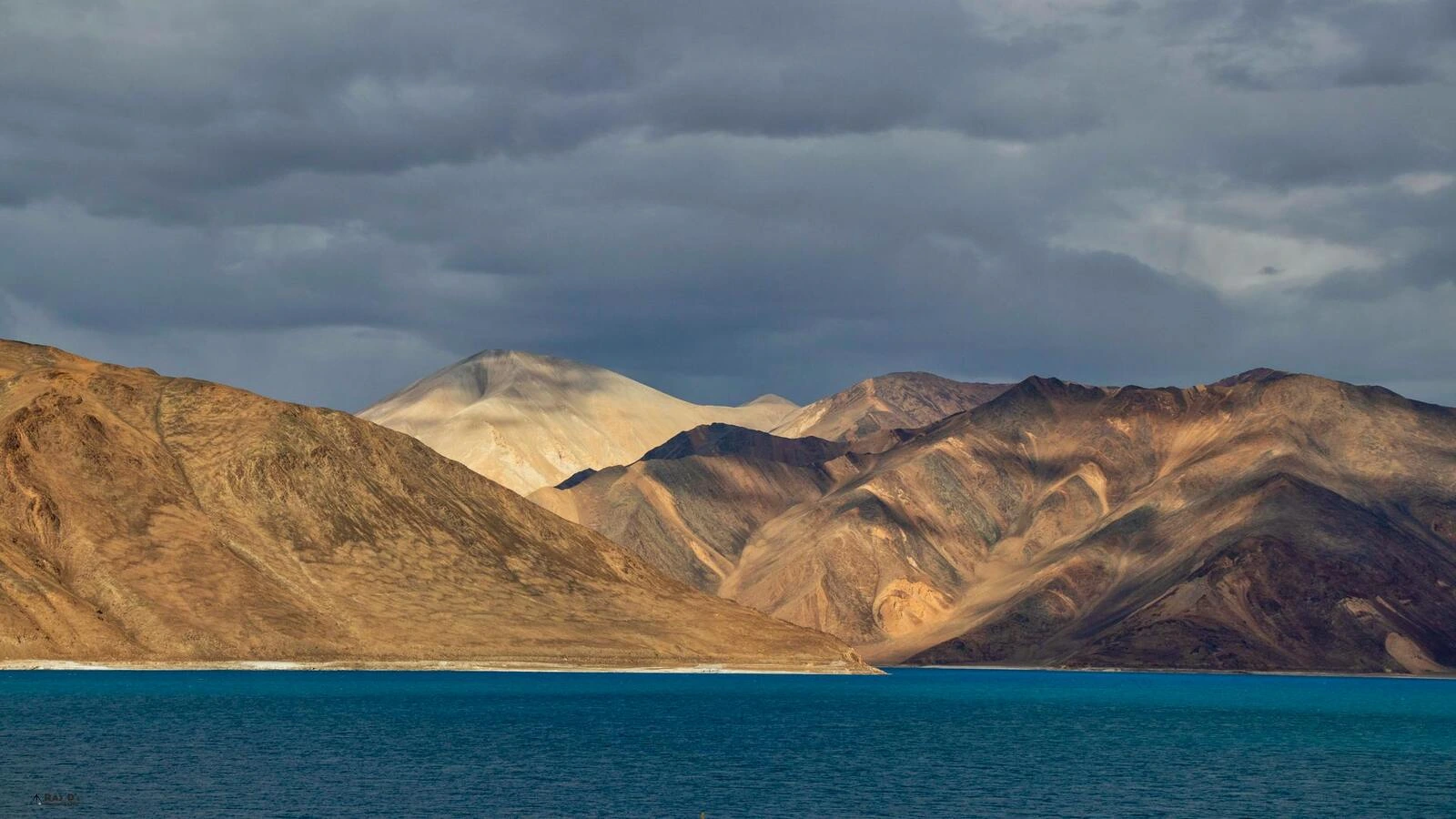
There are very few places in India that genuinely stop you in your tracks — where you look around and can’t quite believe what you’re seeing is real. Ladakh is one of them. Lunar landscapes, turquoise lakes sitting at 4,000 metres, ancient monasteries perched on cliffsides, and roads that cross some of the highest motorable passes in the world. It’s not just a trip — it’s an experience that stays with you.
If you’re planning a Leh Ladakh trip in 2026, this guide covers everything — how to get there, a day-by-day itinerary, permits, costs, packing, and the practical details that most guides skip.
Why Ladakh in 2026?
June to September is the peak window for Ladakh — most high-altitude passes are open, weather is favorable, and road connectivity is at its best. But the planning window is right now — flights and accommodations fill up fast for June–August.
September is widely considered the best month — fewer crowds, stable weather, extraordinary light, and the first hints of autumn colour in the poplars along the river valleys. If your dates are flexible, aim for early September.
Best Time to Visit Ladakh
| Month | Conditions | Best For |
|---|---|---|
| May | Roads opening, snow on passes | Early explorers, fewer crowds |
| June | All passes open, peak season begins | Road trips, Pangong, Nubra |
| July–Aug | Peak season, busiest and most expensive | All attractions accessible |
| September | Crowds thin, weather excellent | Best overall experience |
| Oct–Nov | Passes closing, cold nights | Photography, autumn colors |
| Jan–Feb | Frozen Zanskar, extreme cold | Chadar Trek only |
How to Reach Leh Ladakh
By Flight (Fastest)
Direct flights from Delhi, Mumbai, and other major cities operate year-round to Leh’s Kushok Bakula Rimpochee Airport, making Ladakh accessible by air even when road passes are closed.
- Delhi → Leh flight: ₹4,000–₹12,000 (book 4–6 weeks in advance for best prices)
- Flight duration: ~1 hour from Delhi
- Important: Even if you fly, spend the first day resting in Leh — altitude acclimatization is essential regardless of how you arrive
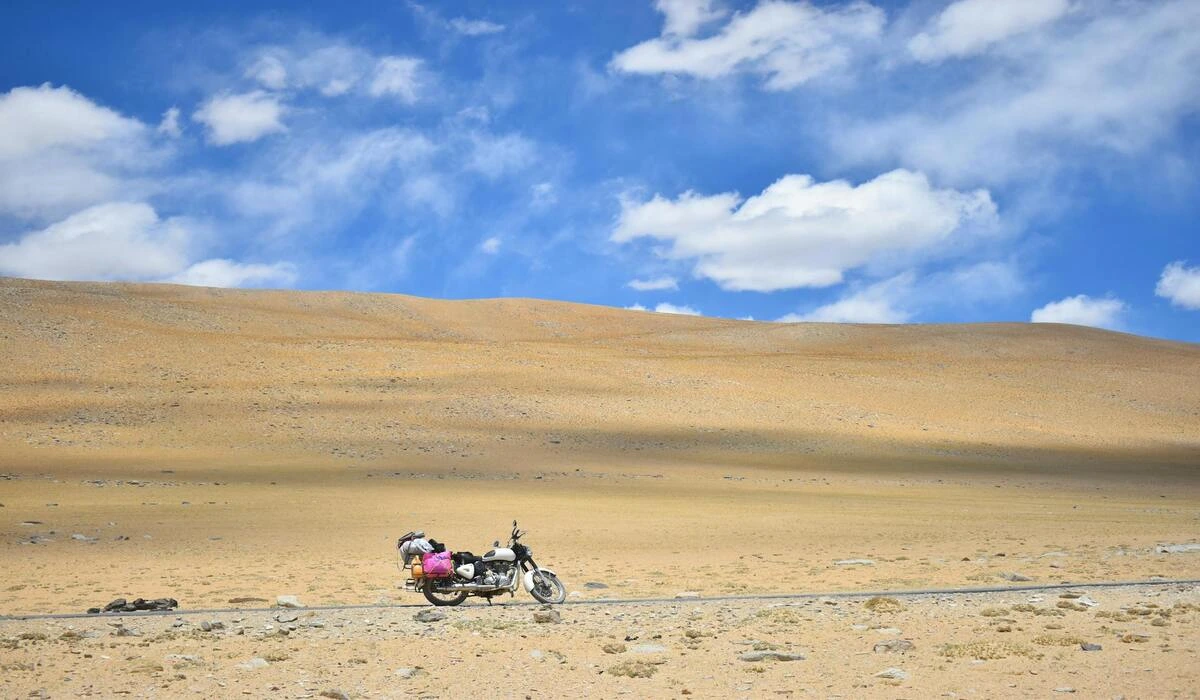
By Road — Manali–Leh Highway (Most Popular)
The Manali–Leh Highway usually opens in late May or early June — exact dates vary by year depending on snowfall. This is the most scenic and popular road route.
- Delhi → Manali: Overnight Volvo bus (₹800–₹1,500, ~14 hours)
- Manali → Leh: 490km, 2 days with a night halt at Jispa or Sarchu
- Crosses Rohtang Pass, Baralacha La, Tanglang La — some of the highest roads in the world
- Shared taxi Manali → Leh: ₹800–₹1,200 per person
By Road — Srinagar–Leh Highway
The Srinagar–Leh Highway usually opens in late April or early May. This is a longer route but passes through Kargil and the dramatic Zoji La pass.
- Srinagar → Leh: ~430km, 1–2 days
- Shared taxi: ₹800–₹1,500 per person
Best option for first-timers: Fly in, road trip out (or vice versa). You get the acclimatization benefit of flying and the experience of the legendary Manali–Leh highway.
Permits & Fees for Ladakh 2026
The Inner Line Permit (ILP) system has been replaced by the Environment Development Fee (EDF) for domestic tourists. You no longer need a separate ILP to visit Nubra Valley, Pangong Tso, Tso Moriri, or Hanle. Instead, you pay the EDF online: ₹400 per person (one-time) + ₹20 per person per day (wildlife fee) + ₹10 per person per day (Red Cross). For a 7-day trip, this works out to about ₹610 per person.
Foreign nationals still need a Protected Area Permit (PAP), which must be arranged through a registered travel agent in Leh or via the official LAHDC portal.
Summary for Indian travelers:
- EDF: ₹400 one-time + ₹20/day + ₹10/day = ~₹610 for 7 days
- Apply online before your trip — no separate ILP required
- Keep payment receipt with you throughout the trip
Where to Stay in Leh Ladakh
Leh Town
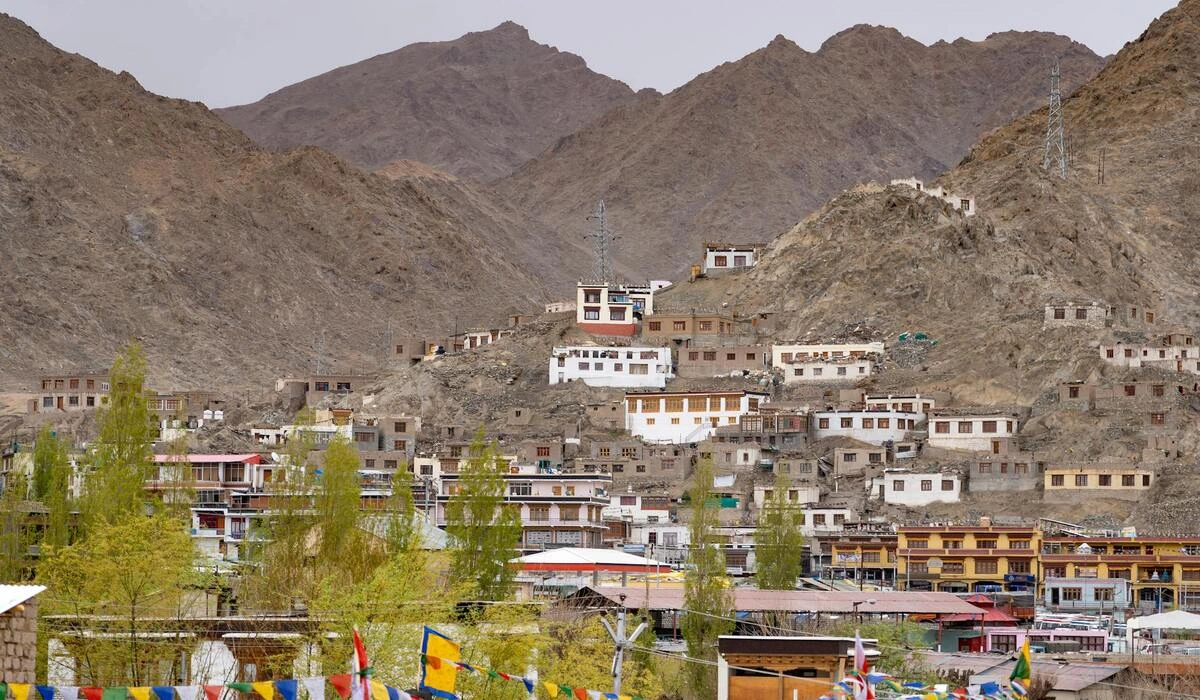
The base for most trips — good range of options from budget guesthouses to mid-range hotels.
- Budget guesthouses: ₹600–₹1,200/night — clean, basic, often family-run
- Mid-range hotels: ₹2,000–₹4,000/night — better amenities, some with mountain views
- Luxury: ₹7,000+/night — premium properties with stunning views
Nubra Valley
- Homestays and camps: ₹1,000–₹2,500/night
- Luxury camps: ₹5,000–₹12,000/night
Pangong Lake
- Tent camps on the lakeside: ₹1,500–₹4,000/night
- The lakeside camps at sunrise are one of Ladakh’s most iconic experiences
Tip: Book accommodation in Leh, Nubra, and Pangong well in advance for June–August — rooms fill up completely during peak season.
👉 Check current hotel availability in Leh on Booking.com
Best Places to Visit in Ladakh
1. Pangong Lake
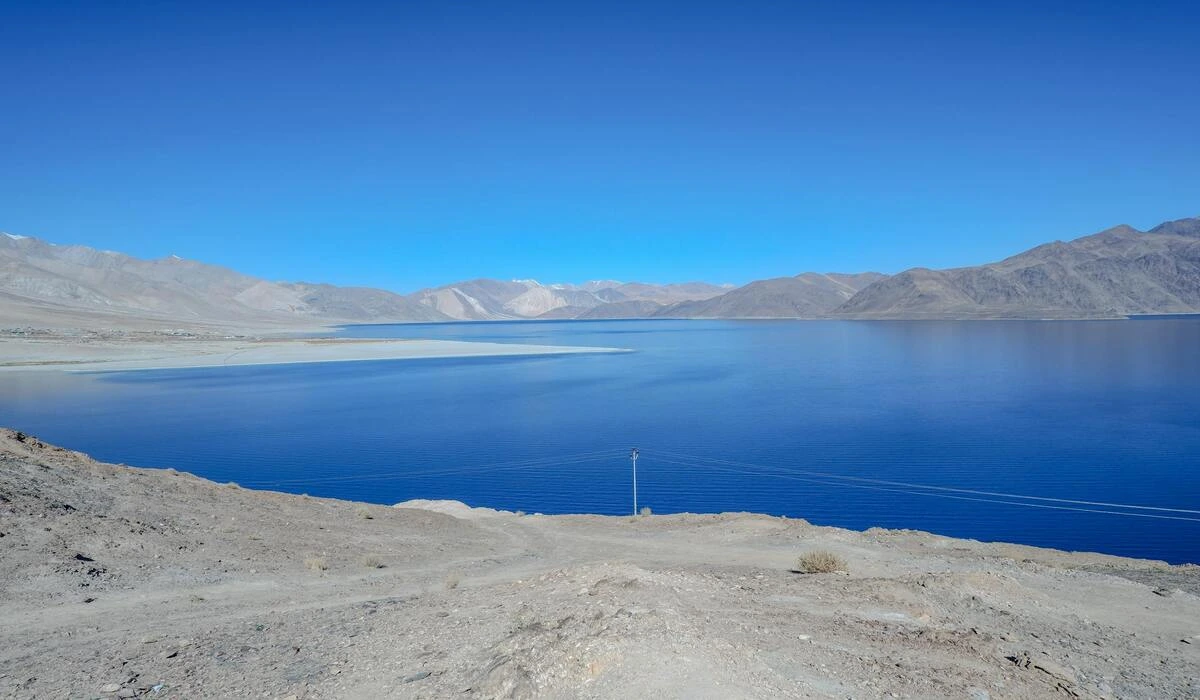
Pangong Tso is the image most people associate with Ladakh — a long, narrow lake at 4,350m that changes colour from turquoise to blue to green depending on the light and time of day. It stretches 134km across the India-China border.
The drive from Leh takes 5–6 hours via Chang La pass (5,360m). Stay overnight at the lakeside camps for the sunrise — completely worth it.
- Distance from Leh: ~160km, 5–6 hours
- EDF permit required
- Best time: June–September
- Stay: Lakeside tent camps (₹1,500–₹4,000/night)
2. Nubra Valley
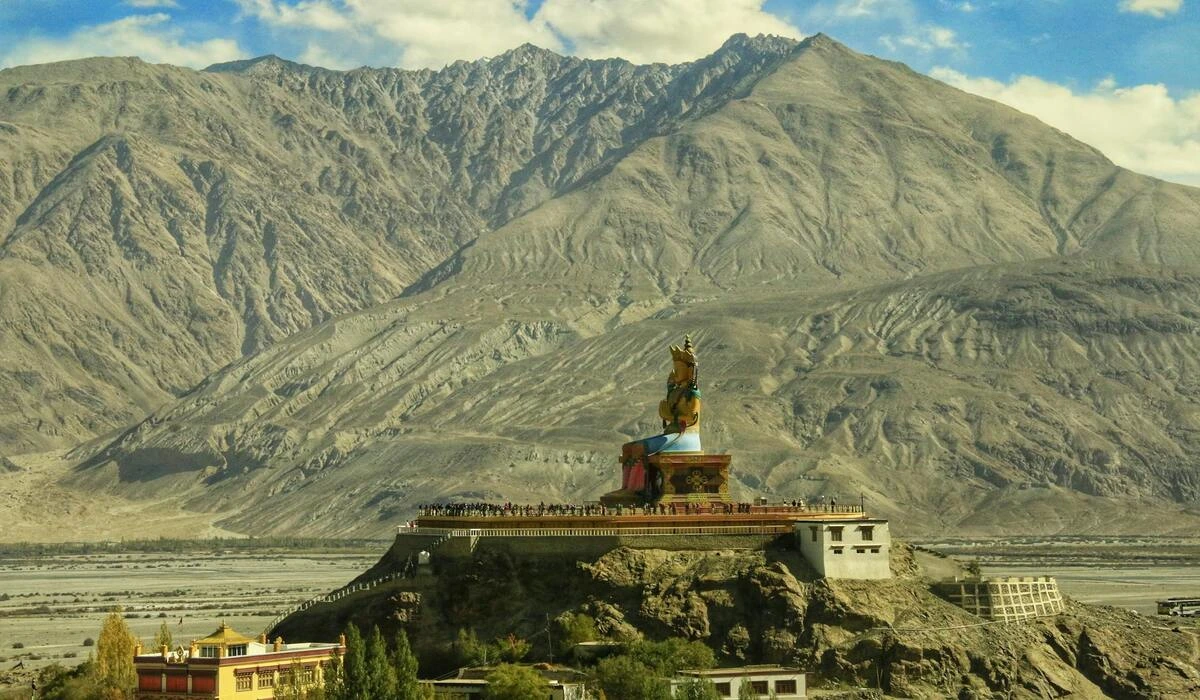
The Nubra Valley, reached via Khardung La pass, is a high-altitude cold desert — sand dunes, double-humped Bactrian camels, and lush villages set against barren mountains. Diskit Monastery and the giant Maitreya Buddha statue are highlights.
- Distance from Leh: ~120km via Khardung La (5,359m)
- EDF permit required
- Must-see: Diskit Monastery, Hunder sand dunes, camel safari
- Stay: Homestays or camps in Hunder/Diskit (₹1,000–₹2,500/night)
3. Leh Local Sightseeing
Leh town itself deserves a full day — Leh Palace, Shanti Stupa, Leh Market, and Spituk Monastery are all within easy reach.
- Leh Palace: 17th-century nine-storey palace overlooking the town (₹100 entry)
- Shanti Stupa: White Buddhist stupa with panoramic views, best at sunset
- Leh Market: Good for pashmina, handicrafts, and local dry fruits
- Spituk Monastery: 15th-century monastery 8km from Leh
4. Magnetic Hill & Gurudwara Pathar Sahib
On the Leh–Kargil highway, these two stops are classic on every Ladakh itinerary.
- Magnetic Hill: An optical illusion where vehicles appear to roll uphill — fun stop, 30 minutes
- Gurudwara Pathar Sahib: Sacred Sikh shrine set dramatically in the mountains, langar available
- Both are en route to/from Srinagar or can be done as a half-day trip from Leh
5. Monasteries of Ladakh
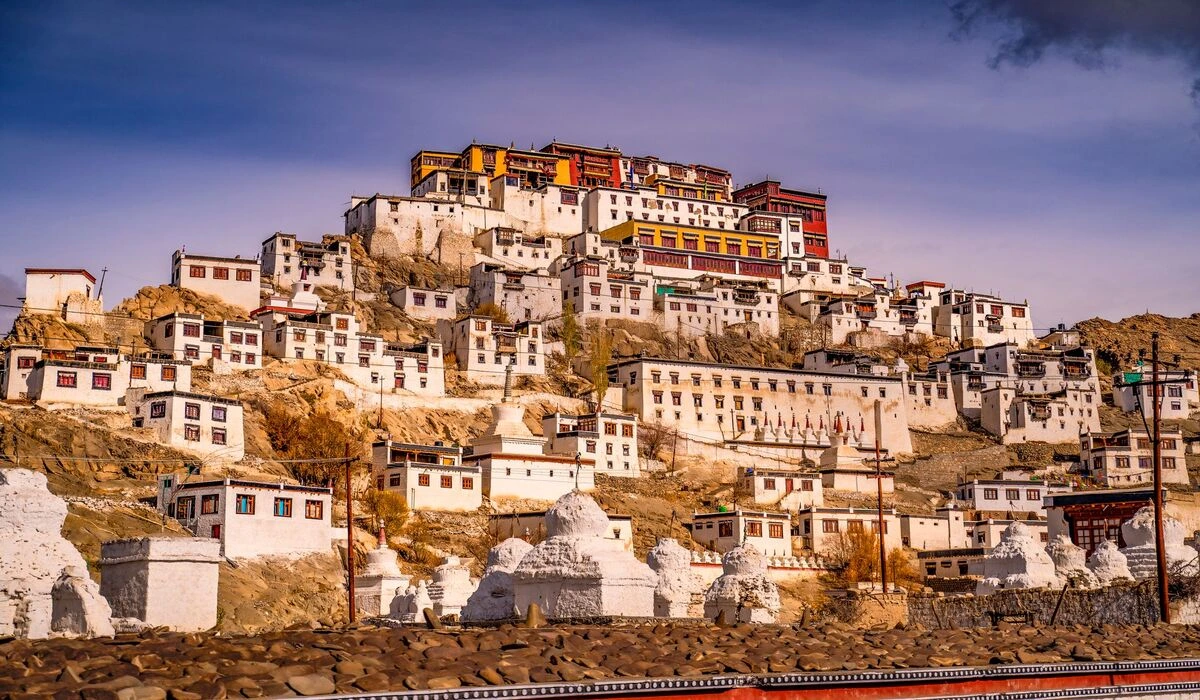
Ladakh has some of the most dramatic monasteries in the world — perched on clifftops, painted in ochre and white, with views over the Indus Valley.
Don’t miss:
- Thiksey Monastery — 12-storey complex resembling the Potala Palace in Tibet, 19km from Leh
- Hemis Monastery — Ladakh’s largest monastery, famous for the Hemis Festival (July)
- Alchi Monastery — 11th-century monastery with rare wall paintings, 70km from Leh
- Lamayuru Monastery — dramatic location above a moonlike landscape, 127km from Leh
7-Day Leh Ladakh Itinerary
Day 1: Arrive Leh — Rest & Acclimatize
Do not rush Day 1. Leh sits at 3,500m — altitude sickness is real and hits hardest in the first 24–48 hours.
- Arrive by flight or road
- Check into guesthouse, rest
- Light walk around Leh Market in the evening if feeling fine
- Drink plenty of water, avoid alcohol
- Sleep early
Stay: Leh town
Day 2: Leh Local Sightseeing
- Morning: Leh Palace + Leh Market
- Afternoon: Shanti Stupa for sunset views
- Evening: Spituk Monastery
- Dinner in Leh town — try local Ladakhi thukpa (noodle soup) or momos
Stay: Leh town
Day 3: Leh to Nubra Valley via Khardung La
Early start — cross Khardung La (5,359m), one of the world’s highest motorable passes. Stop at the top for photos, then descend into the Nubra Valley.
- Morning: Drive Leh → Khardung La → Nubra (~3.5 hours)
- Afternoon: Diskit Monastery + Maitreya Buddha statue
- Evening: Hunder sand dunes — camel safari on Bactrian camels at sunset
Stay: Hunder/Diskit, Nubra Valley
Day 4: Nubra to Pangong Lake via Shyok Valley
One of the most scenic drives in India — along the Shyok River through remote villages to Pangong.
- Drive Nubra → Pangong via Shyok Valley (~5 hours, ~150km)
- Arrive Pangong by afternoon
- Spend the evening by the lake watching the colours change
- Stay overnight at lakeside camp — sunrise at Pangong is unmissable
Stay: Pangong lakeside camp
Day 5: Pangong — Sunrise + Return to Leh
- 4:30 AM: Wake up for sunrise at Pangong — the lake turns gold as the sun hits the mountains
- Morning: Explore the lake, walk along the shore
- Drive back to Leh via Chang La (~5–6 hours)
- Rest evening in Leh
Stay: Leh town
Day 6: Monasteries + Magnetic Hill
- Morning: Thiksey Monastery (19km from Leh) — arrive by 6 AM for morning prayers if possible
- Hemis Monastery (45km from Leh)
- Afternoon: Magnetic Hill + Gurudwara Pathar Sahib
- Evening: Leh Market — last minute shopping
Stay: Leh town
Day 7: Departure
- Early flight or start road journey back via Manali or Srinagar
- Road back via Manali: 2 days (overnight halt at Jispa/Sarchu)
Complete Budget Breakdown
With smart planning, a Ladakh trip can be completed within ₹20,000–₹30,000 per person, making it accessible even for budget travelers. Here’s a realistic breakdown:
| Expense | Budget | Mid-Range |
|---|---|---|
| Delhi → Leh (flight) | ₹4,000 | ₹8,000 |
| Accommodation (6 nights) | ₹4,800 | ₹15,000 |
| Food (7 days) | ₹2,800 | ₹5,000 |
| Local taxi/transport | ₹5,000 | ₹10,000 |
| EDF permits | ₹610 | ₹610 |
| Activities & entry fees | ₹800 | ₹2,000 |
| Leh → Manali (shared taxi) | ₹1,200 | ₹1,200 |
| Miscellaneous | ₹1,000 | ₹2,000 |
| Total | ₹20,210 | ₹43,810 |
Most first-time travelers visiting Ladakh for 6–7 days end up spending around ₹35,000–₹55,000 per person — this range usually offers the best balance between comfort, flexibility, and practical travel decisions.
Cost-saving tips:
- Travel in a group of 3–4 to share taxi costs significantly
- Use shared taxis instead of private cabs wherever possible
- Stay in homestays in Nubra and Pangong — cheaper and more authentic than camps
- Book flights 4–6 weeks in advance for lowest fares
Packing List for Ladakh
Clothing:
- Thermal base layers (even in summer, nights are cold)
- Fleece mid-layer
- Windproof/waterproof jacket — essential
- Warm hat, gloves, neck gaiter
- Sunglasses with UV protection — mandatory at high altitude
- Comfortable trekking shoes
Health & Safety:
- Diamox (acetazolamide) — consult a doctor before carrying, helps with altitude sickness
- ORS sachets — stay hydrated
- Sunscreen SPF 50+ — UV radiation is intense at 3,500m+
- Basic first aid kit
- Personal medications
Documents & Essentials:
- Government photo ID (Aadhaar/Passport)
- EDF payment receipt
- Offline maps downloaded (Google Maps or Maps.me) — connectivity is patchy
- Power bank — charging points are limited in remote areas
- Cash — ATMs are only reliable in Leh town; carry enough for Nubra and Pangong
Important Tips for Ladakh
Altitude sickness — take it seriously Leh is at 3,500m. Spend at least 24–48 hours in Leh before heading to higher areas like Pangong Lake or Khardung La. Symptoms of altitude sickness include headache, nausea, and breathlessness — if severe, descend immediately.
SIM cards Only postpaid SIM cards from major providers work reliably in Ladakh. Prepaid SIMs from outside the region often stop working, so many travelers purchase a local BSNL or Jio SIM (around ₹500).
Roads Mountain roads in Ladakh can be rough, especially after rain. An SUV is strongly recommended for the Manali–Leh highway and for reaching Pangong and Nubra. Sedan cars are not suitable.
Fuel Fill up in Leh before heading out — fuel stations are limited and sometimes closed in remote areas. Always carry extra fuel if riding a bike.
Book in advance If you’re traveling in June, July, or August, book your hotels and camps in advance — prices are higher during peak season and availability can be limited.
Weather Even in summer, Ladakh nights drop to 5–10°C in Leh and below zero at Pangong and Nubra. Always carry warm layers regardless of daytime temperatures.
FAQ
How many days are enough for Leh Ladakh? A minimum of 7 days for Leh, Nubra, and Pangong. Ten days is comfortable. Fourteen days allows you to add Zanskar or Spiti.
Is Ladakh safe for solo travelers? Yes, Ladakh is among the safest destinations in India for all types of travelers including solo women travelers. The local population is welcoming and tourist infrastructure is well-developed in Leh.
Do I need a permit for Ladakh? Indian tourists no longer need an ILP. You pay the EDF online — ₹400 one-time + ₹20/day + ₹10/day. Keep the receipt with you throughout the trip.
Is the Manali–Leh Highway open in 2026? The Manali–Leh Highway typically opens late May — usually around 20–25 May, dependent on snowfall. Check current status before travelling.
Can I do Ladakh on a budget? Yes — a 5–7 day Leh Ladakh trip generally ranges between ₹15,000–₹25,000 per person for budget travelers using shared transportation, budget hotels or guesthouses, and basic meals.
Final Thoughts
Ladakh is one of those destinations that genuinely lives up to the hype — and then exceeds it. The landscapes are unlike anywhere else in India, the culture is distinct, and the sense of remoteness is real even in peak season. Plan well, respect the altitude, and go with an open schedule — road conditions and weather in the mountains rarely follow a rigid plan.
👉 Continue planning your Himalayan trip: